The story of modern viticulture and winemaking in Montenegro began in the 1960s…
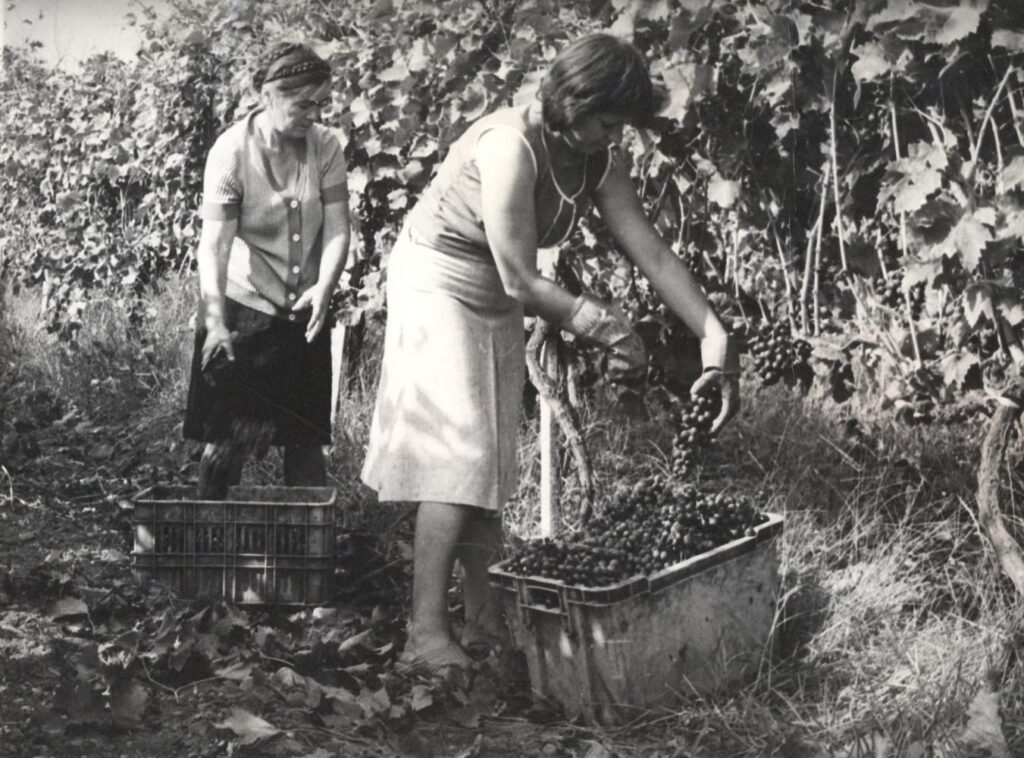
Modern Montenegrin viticulture and winemaking began in the 1960s, when agricultural estates from Podgorica, Danilovgrad and Virpazar were merged into the former Agrokombinat 13. jul. From it, the company 13. Jul — Plantaže, as you know it today, was developed.
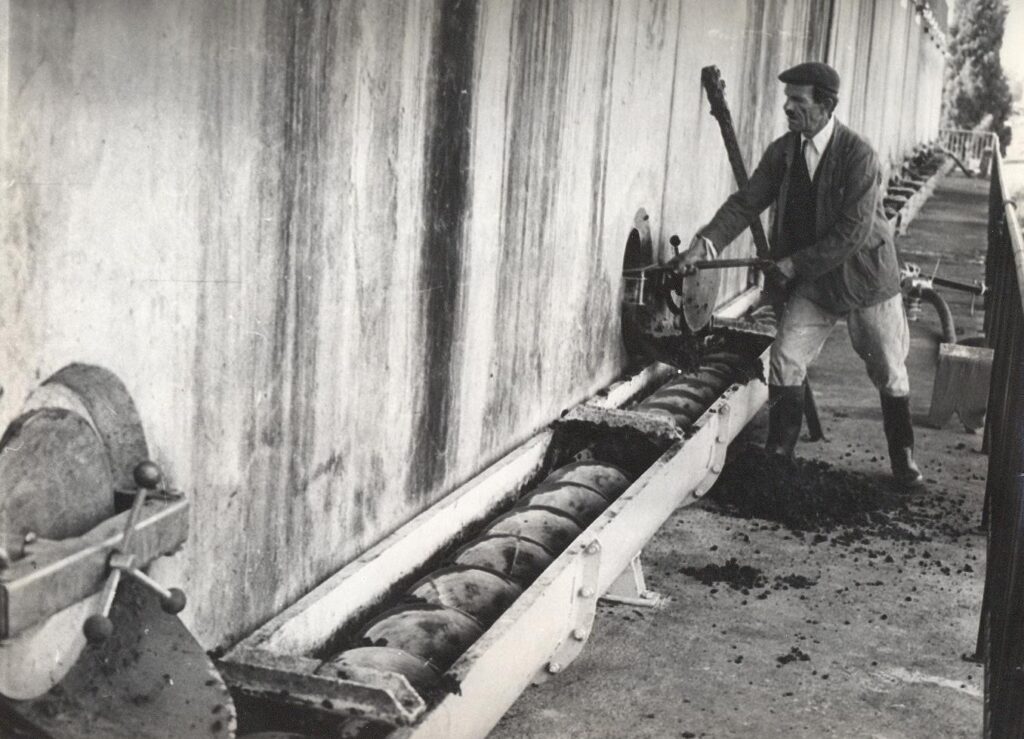
At the Lješkopolje site, in 1963, the first wine cellar of 13. Jul – Plantaže was established, right next to the Pavlovine vineyard. This marked the beginning of modern industrial wine production in Montenegro.
At that time, Plantaže had 226 hectares of vineyards producing 715 tons of grapes, 49 hectares of orchards producing 30 tons of peaches, and a wine cellar with a capacity of 10,400 hectoliters. The company produced 3,200 hectoliters of wine and 170 hectoliters of grape brandy.
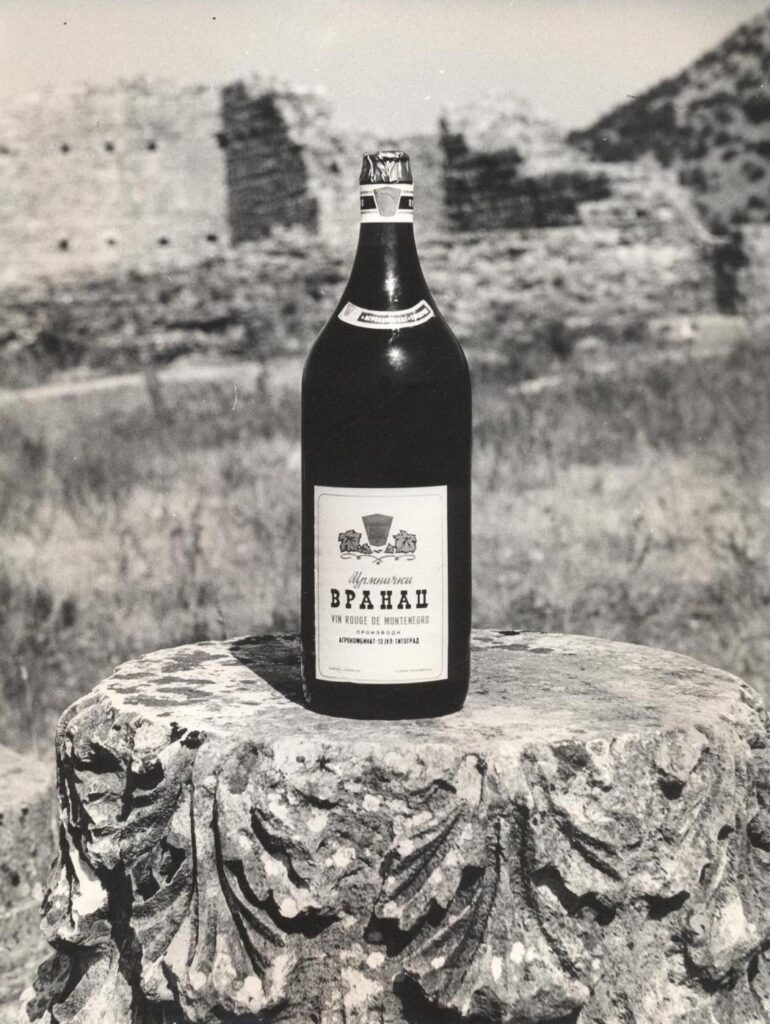
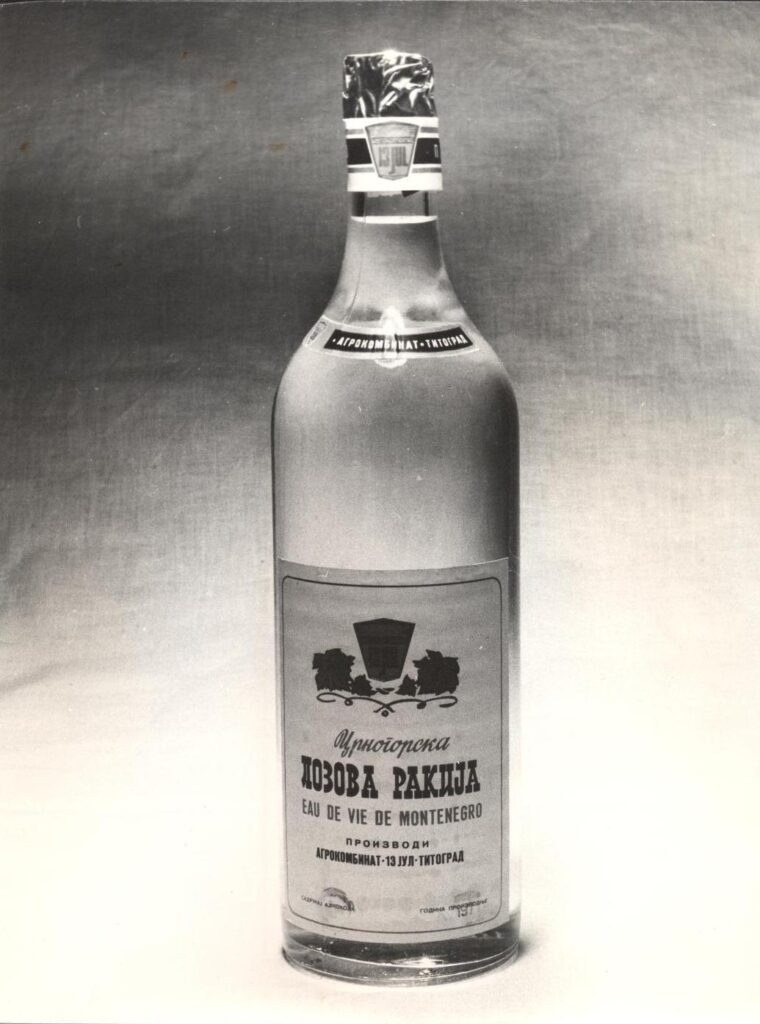
The cellar contained 18 large wooden barrels, while the first branded products were the wines Vranac and Krstač, as well as Lozova Rakija.
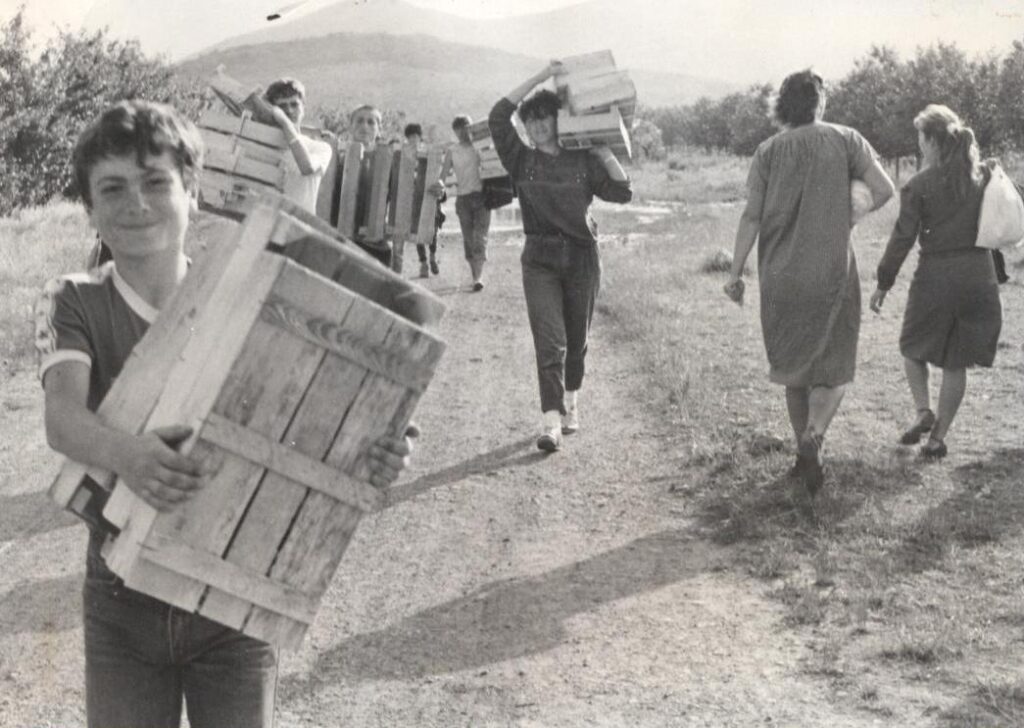
During the 1970s and 1980s, the cellar in Lješkopolje became the center for processing grapes from the vineyards of Pavlovine, Sadine, Kokoti, Tološki Lug and Jelenak, as well as from Crmnica — the cradle of the indigenous Vranac variety.
During this period, the vineyards expanded to 377 hectares, while annual grape production reached 3,673 tons. The cellar capacity increased to 26,000 hectoliters, enabling annual production of 15,380 hectoliters of wine and 500 hectoliters of grape brandy.
This period was marked by the strong promotion of indigenous varieties and significant production growth.
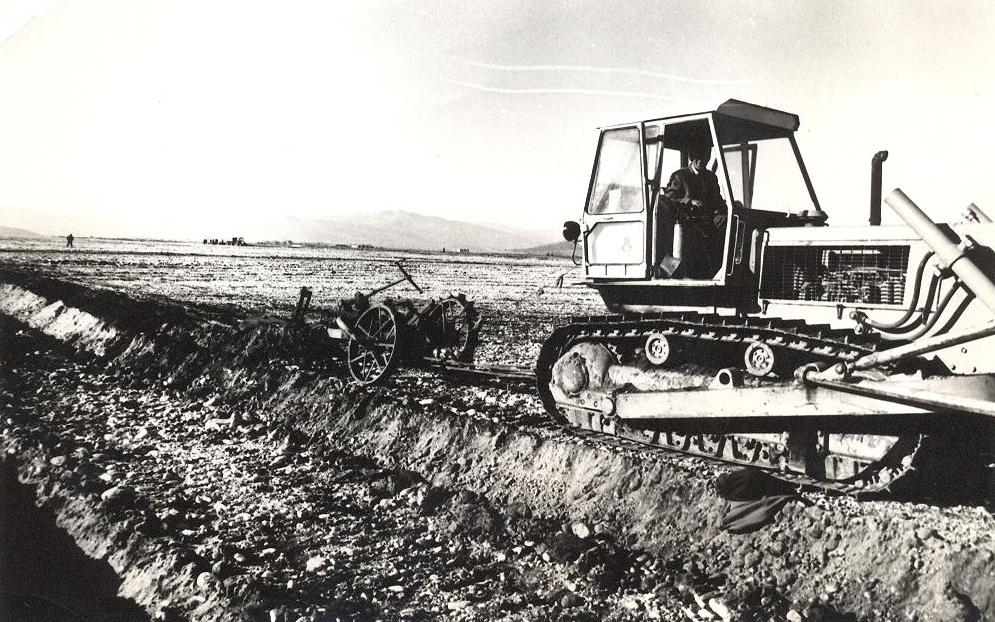
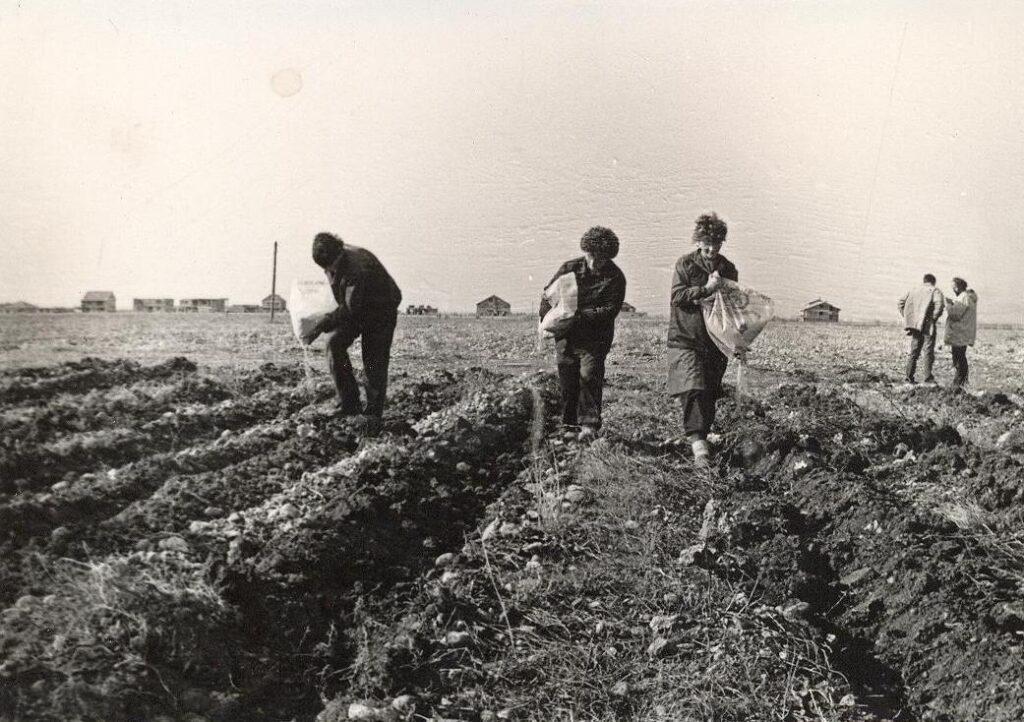
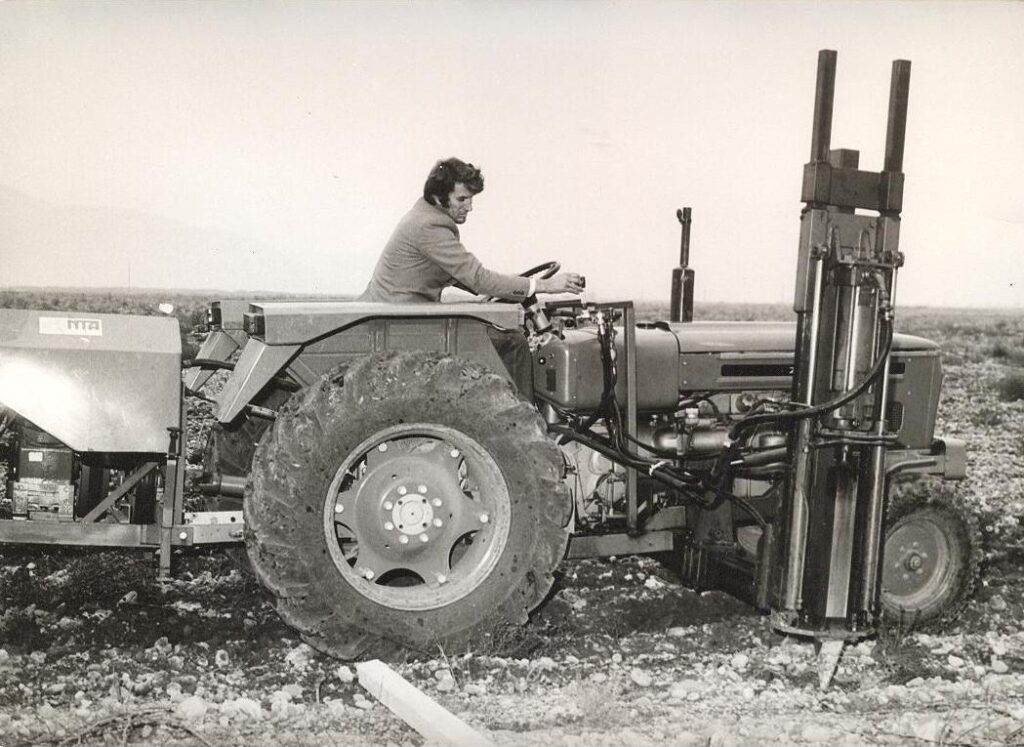
With the implementation of the Ćemovsko Polje project, Plantaže entered its most significant development phase up to that point.
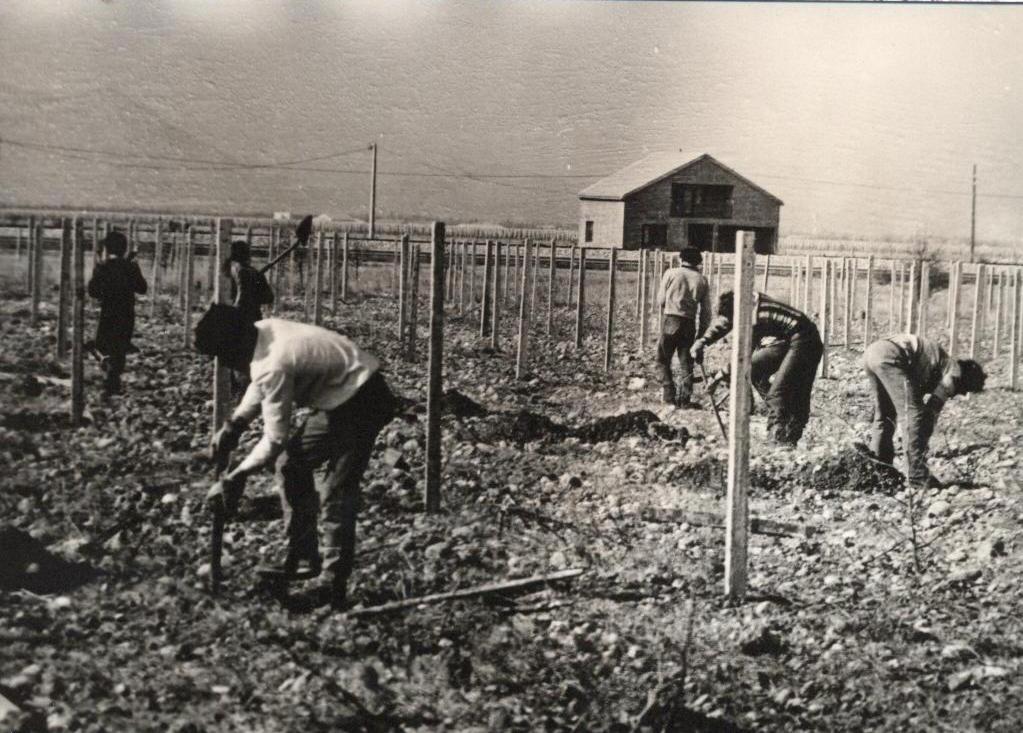
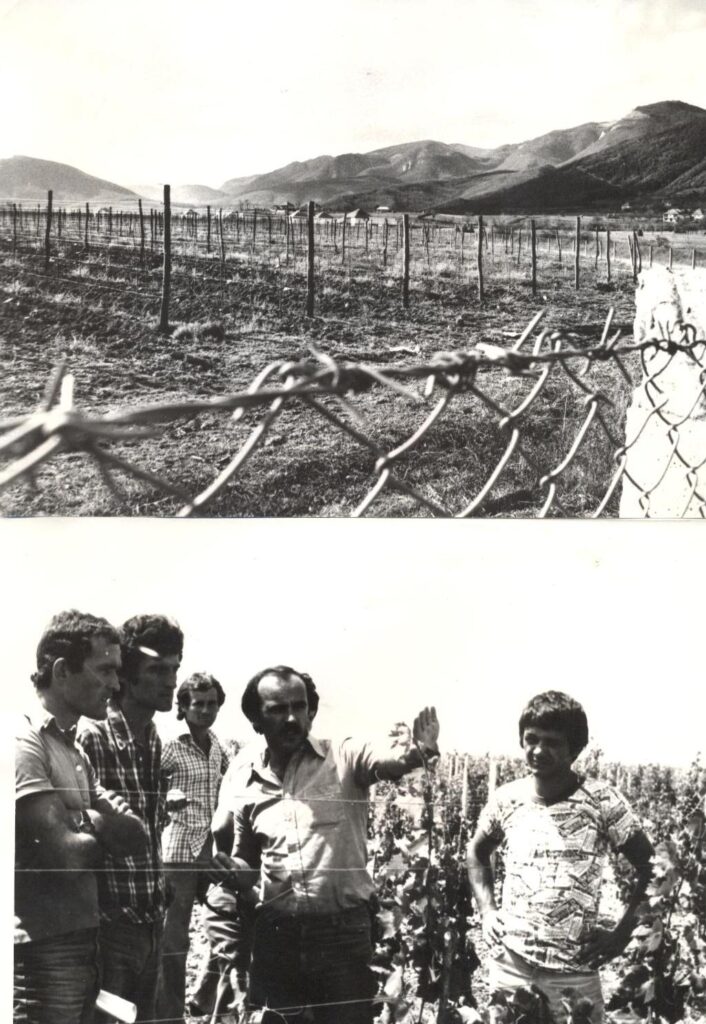
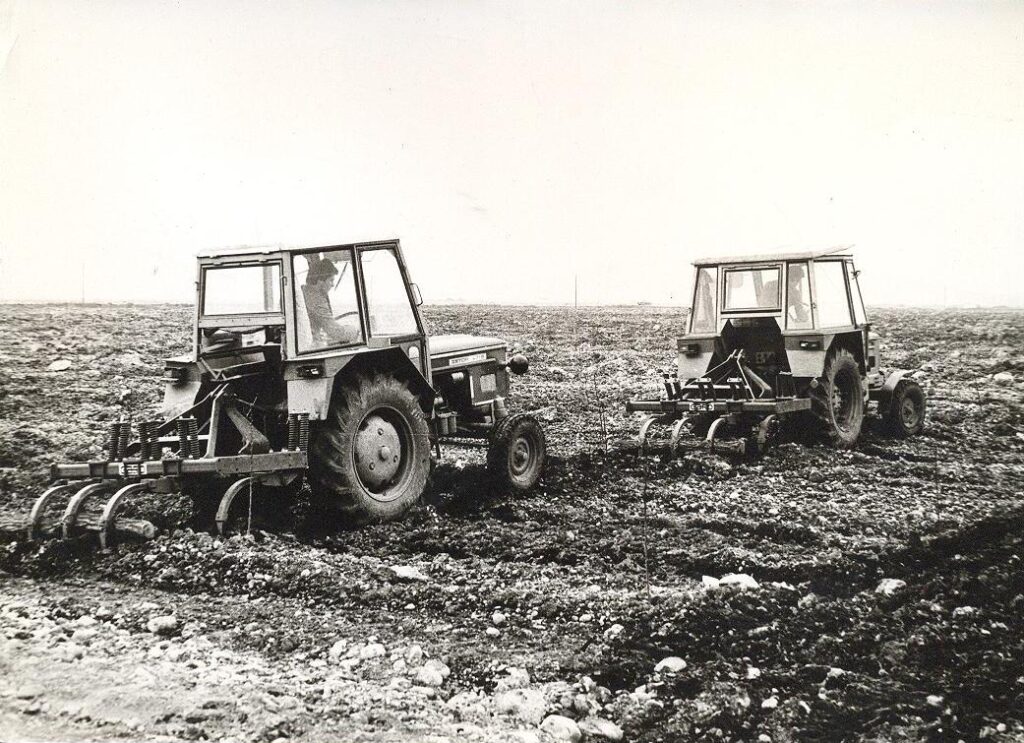
On previously uncultivated, harsh karst terrain, more than 2,000 hectares of vineyards and orchards were planted between 1977 and 1982 — one of the largest viticultural undertakings in Europe at the time, worth 62 million dollars.
As part of the project, a wine cellar with a capacity of 190,000 hectoliters was built, along with a cold storage facility with a capacity of 3,000 tons.
This milestone paved the way for Plantaže to become a regional and European leader in viticulture and laid the foundations for the company’s further growth in the decades that followed.
After seven years of intensive research and cooperation with the French National Institute for Winemaking and Viticulture in Narbonne, Plantaže launched a wine with an unusual name in 1993 — Pro Corde, meaning “for the heart.”
This wine represents the culmination of scientific research conducted during the 20th century, making Plantaže the only winery in the world to transform its scientific results into a concrete, unique product.
Pro Corde marked a new chapter in Plantaže’s tradition and innovation.
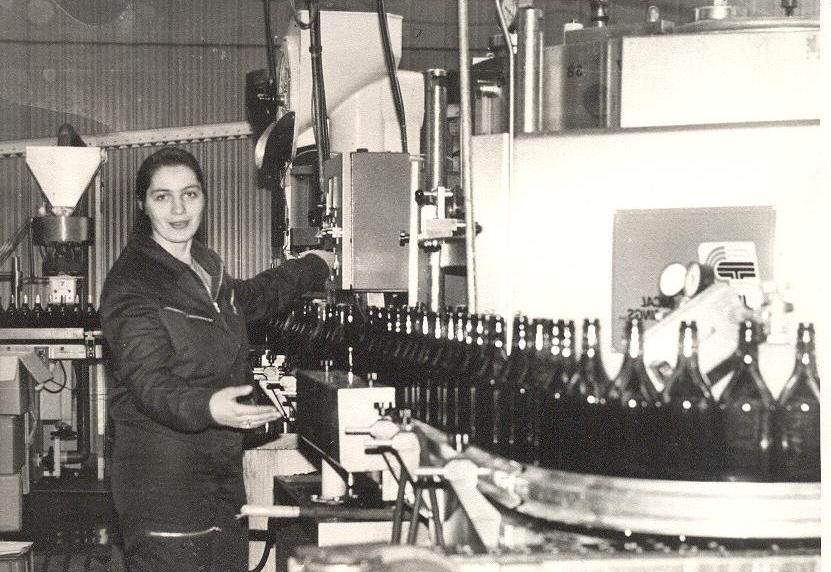
Modern equipment for wine production with controlled fermentation was installed, along with a new bottling line with a capacity of 4,000 bottles per hour. Cooling and electrical equipment were installed in the cold storage facility.
Existing facilities were renovated and new ones were built, while the equipment in the processing capacities was also modernized.
That same year, the first barrique barrels and wooden casks for wine aging and care were acquired, contributing to improved wine quality and the introduction of new products into the portfolio.
In November 2007, with the reconstruction of an old military facility, the Šipčanik Cellar was opened, marking a new chapter in the history of Plantaže and revealing a new dimension of wines from Ćemovsko Polje.
This event gave significant momentum to the development of wine tourism in Montenegro.
Today, 30 meters below ground, under ideal conditions of constant temperature and humidity, more than 2 million liters of wine are aging. Across an area of 7,000 m², wines made from indigenous and international varieties mature in carefully selected wooden barrels and bottles, reflecting the character of the Montenegrin terroir.
At the Old Cellar, a new wine production line with an annual capacity of 400,000 liters was installed, enabling a major technological advancement in the production of premium and ultra-premium wines.
During this period, the company’s total production capacities, which had expanded over time, reached 33 million liters.
A new limited edition series named Stari Podrum appeared on the market, signaling new possibilities and the potential of wines from Ćemovsko Polje.
Continuing its long-standing commitment to quality and authenticity, 13. Jul – Plantaže further strengthened its brand during this period through a refreshed portfolio, the stylistic evolution of its wines and the development of new products in line with modern consumer expectations.
By nurturing indigenous varieties, especially Vranac, Plantaže continues its tradition of winning major international awards, confirming its high standards across all segments of production.




Engleska verzija našeg novog sajta je trenutno u izradi.
Dok radovi ne budu završeni, staru verziju sajta na engleskom jeziku možete posjetiti putem linka:
The English version of our new website is currently under development.
In the meantime, you can visit the previous English version of the website using this link: